

By Megan Moloney, Fundraising and Communications Officer
31 July 2024
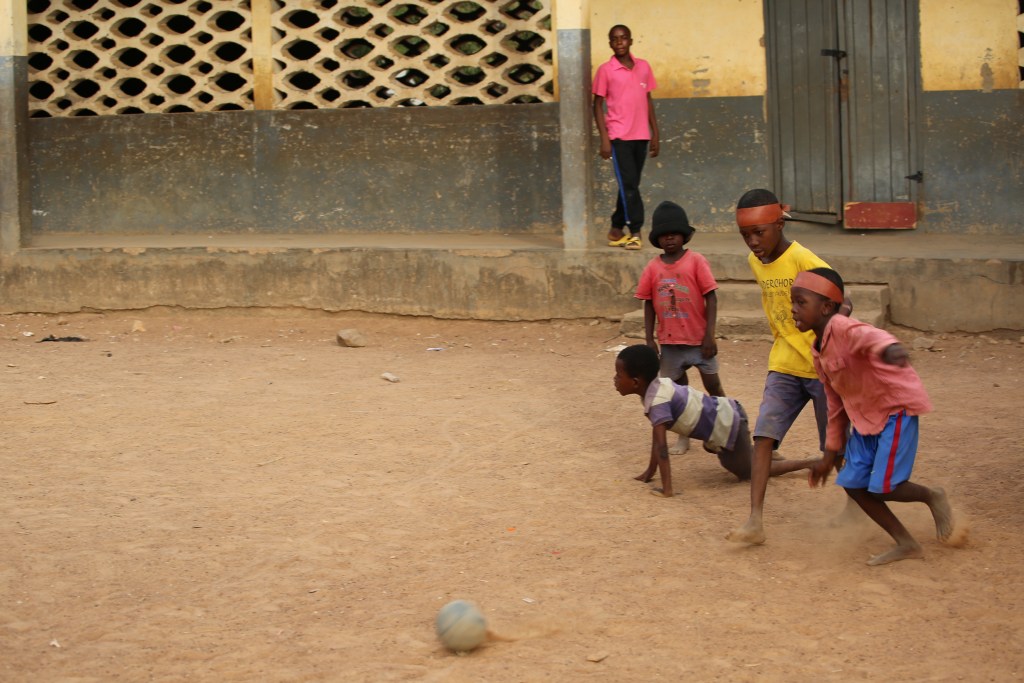
Did you know teaching with play-based learning can lead to children having better engagement, improved social skills, and a deeper understanding of what’s being taught in the classroom?
But what is play-based learning?
Simply, play-based learning uses fun and engaging classroom activities such as singing, dancing, and storytelling, to create an interactive learning environment. It ensures children can understand topics that are being taught to them in a more accessible way, while encouraging their creativity and peer-to-peer socialisation.
AfriKids trains Kindergarten teachers to incorporate this into their teachings, in order to make learning more child-centred and improve attendance, engagement, and literacy and social skills. Training includes:
- Jolly Phonics: teaching children to read and write with stories, songs, and actions
- Learning Centres: set up within the classroom, modelling real life scenarios such as a pharmacy or shop, where children can roleplay working and learn more about their external environment
- Inclusive Education Practises: ensuring learning is accessible to all children, regardless of background or ability, so they can participate in all classroom activities
- Community Engagement: strategies for including parents and communities in their children’s education and school environment to create a supportive network.
“This intervention came in to help children to be able to identify what excites them within the
environment they live in…and to start identifying their talents.”
~Valeria Akabisi, AfriKids District Manager.
So…let’s play!
Leave a Reply