

Written by Mandela Atibila, AfriKids Partnerships Manager
April 2025
They say it takes a village to raise a child, but what happens when that village is empowered, motivated, and committed to shaping a brighter future for its children? Over two incredible days in northern Ghana, representatives from AfriKids, mc2h Foundation, and Global Fund for Children (GFC) witnessed exactly that.
Leveraging the Ghana chapter of the International Education Funders Group (IEFG)’s meeting, AfriKids hosted representatives from mc2h Foundation and Global Fund for Children on a field visit to project sites across the North-East and Builsa South districts.
This visit wasn’t just a one-off opportunity—it reflected the strong connection between our organisations. AfriKids receives funding from the mc2h Foundation, and we were proud to host Global Fund for Children, who also benefit from flexible funding thanks to the players of People’s Postcode Lottery (PPL). The partnership fostered through PPL, and further strengthened by mc2h Foundation—both champions of collaboration—has amplified our impact and opened the door to even deeper cooperation.
With a shared commitment to learning from one another, we seized this moment to witness firsthand how community-led initiatives are transforming lives—not through handouts, but through ownership, resilience, and a deep belief in the power of education.
The journey was no small feat. It involved international and local flights, long drives on dusty roads, and an itinerary packed with school visits, community discussions, and powerful moments of inspiration. But every mile was worth it.
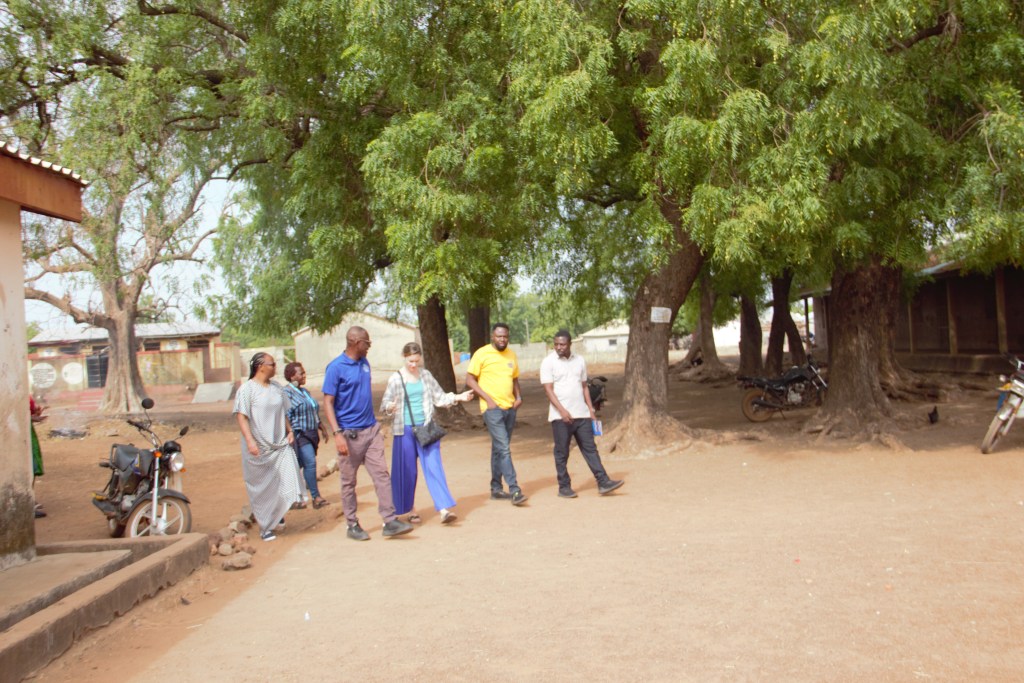


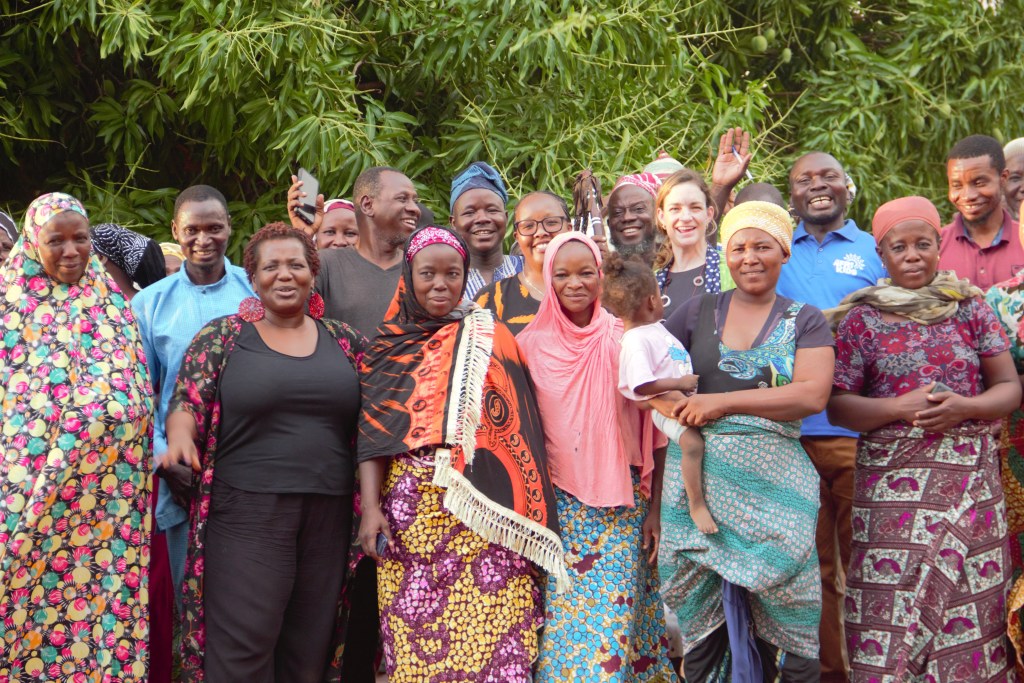
Day 1: Seeing Change in Action
The Ripple Effect of Education
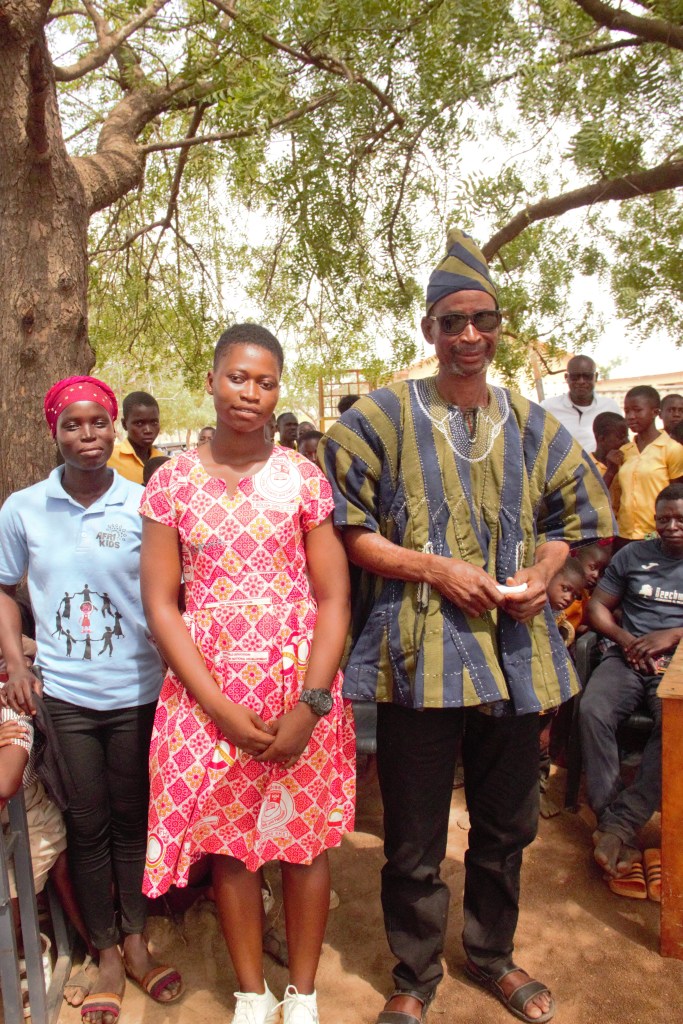
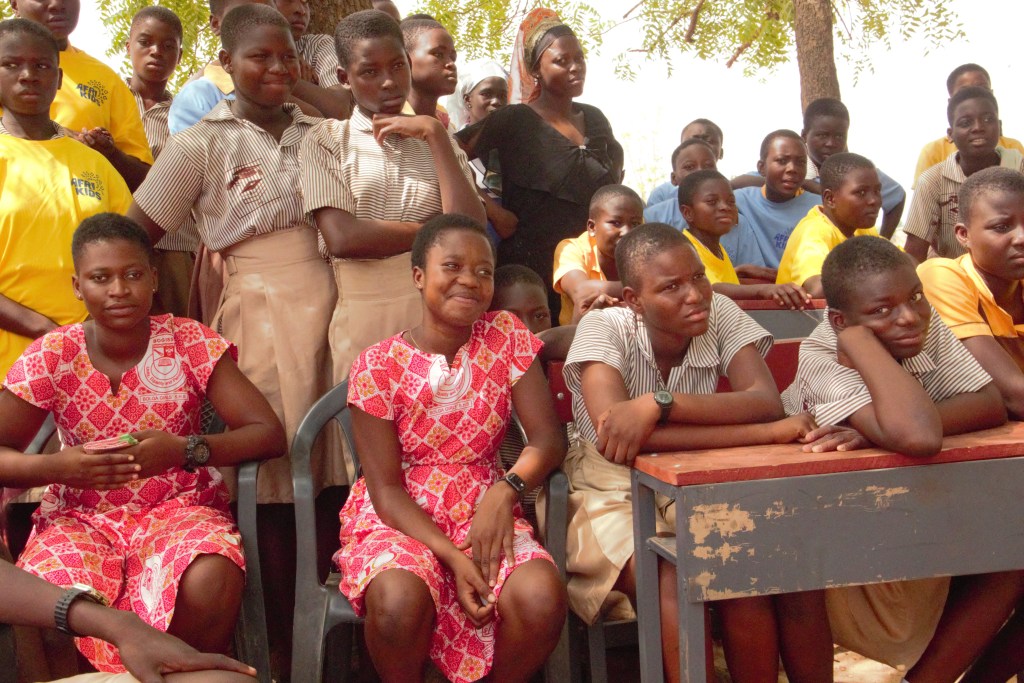
Our first stop took us to a village in Mamprugo Moagduri, a district in north-east Ghana, where we met a group of young students who are proving that change starts from within. Among them were two incredible young girls who had once been part of the community school’s STEM (Science, Mathematics, Engineering & Technology) club, set-up with support from Afrikids. Today, they are students at one of the most prestigious schools in the region, studying science and serving as role models for the next generation.
When they returned to their primary school to speak to younger students, dressed in their brightly coloured uniforms, the excitement was palpable. They were not just telling their peers to dream big; they were living proof that it was possible.
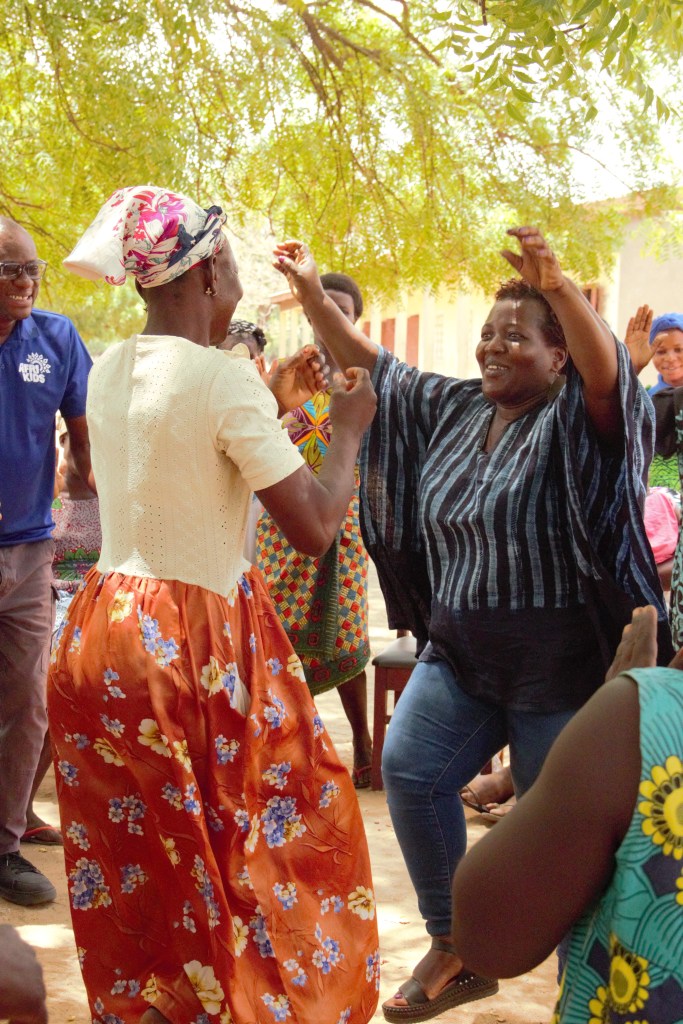
The visit also included a vibrant display of drumming and dancing, an age-old tradition that the children performed with pride. It sent a powerful message: communities do not have to abandon their culture to embrace progress. Rather, they can preserve the positive elements of their traditions while making informed decisions that protect their children’s future. For AfriKids, this is at the heart of our approach. We don’t impose change; we provide communities with the tools, knowledge, and confidence to make decisions that work for them.
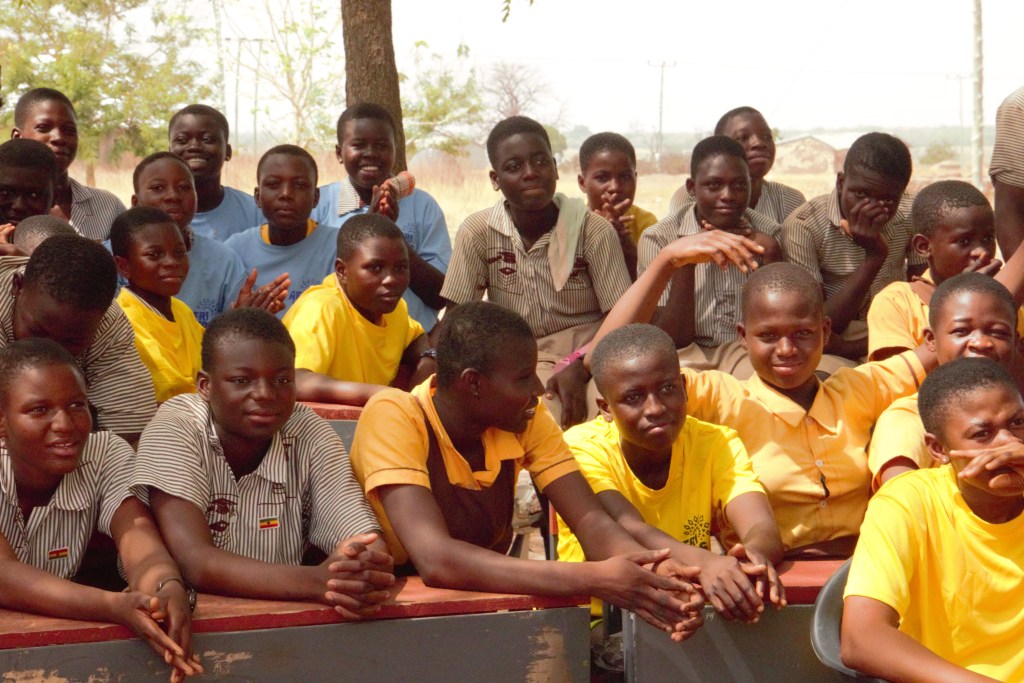
A Parent- Teacher Association Taking Charge
Next, we drove 45 minutes to a community where we met with the Parent-Teacher Association (PTA) of a school. What we saw was nothing short of extraordinary. Rather than waiting for external assistance, the PTA had mobilised resources to support their school in ways that many might assume only a government or NGO could.
- They passed a by-law preventing young children from being enrolled in skills training at the expense of schooling, ensuring they complete at least Junior High School before learning a trade.
- To curb child migration, they banned costly “passing out” ceremonies; formal graduation events for children completing skills training. These ceremonies require graduates to acquire all the necessary tools to start their trade and often involve hosting celebrations for family and friends. The financial burden pushes many young trainees to migrate south in search of money, with many never returning.
- The PTA actively promoted parental involvement, holding regular meetings and encouraging school visits to monitor children’s progress.
- Through sheer community effort, they dug a well to provide water for the school and are now seeking support to upgrade it into a borehole. They also carried out communal labour to fill potholes and ensure accessibility to the school during heavy rains.
- To improve the school environment, they raised funds to repair broken doors and windows and hired volunteer teachers to address staffing shortages.
- Remarkably, they even set up a school bank account for structured fundraising, with clear systems for accessing funds for school development.
- With their kindergarten classes currently combined due to space constraints, they have committed to resolving this as their next big project.
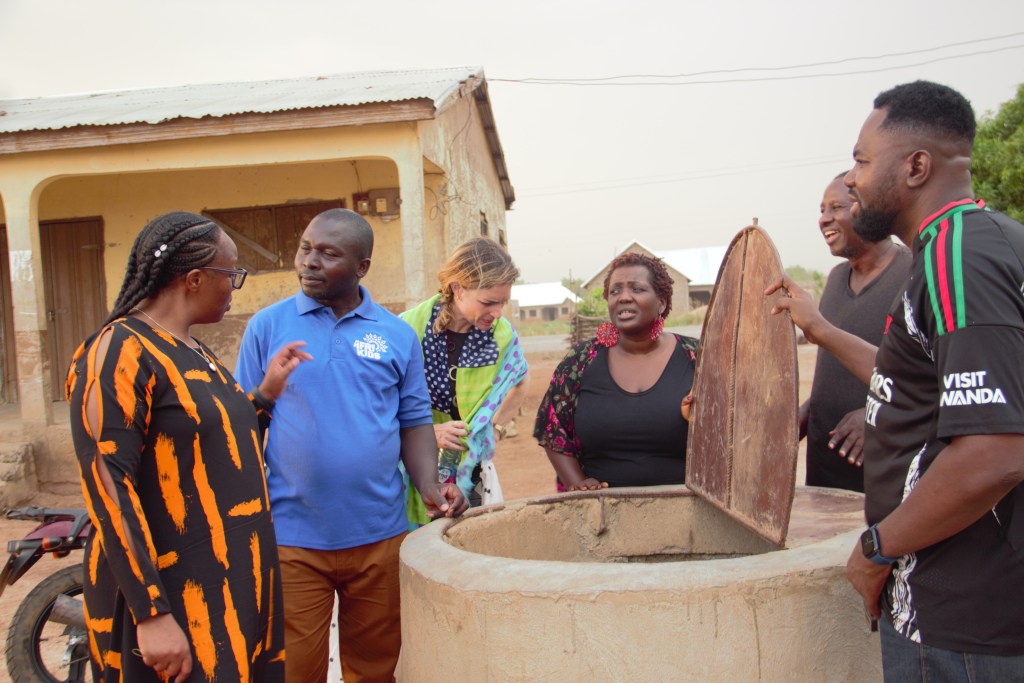
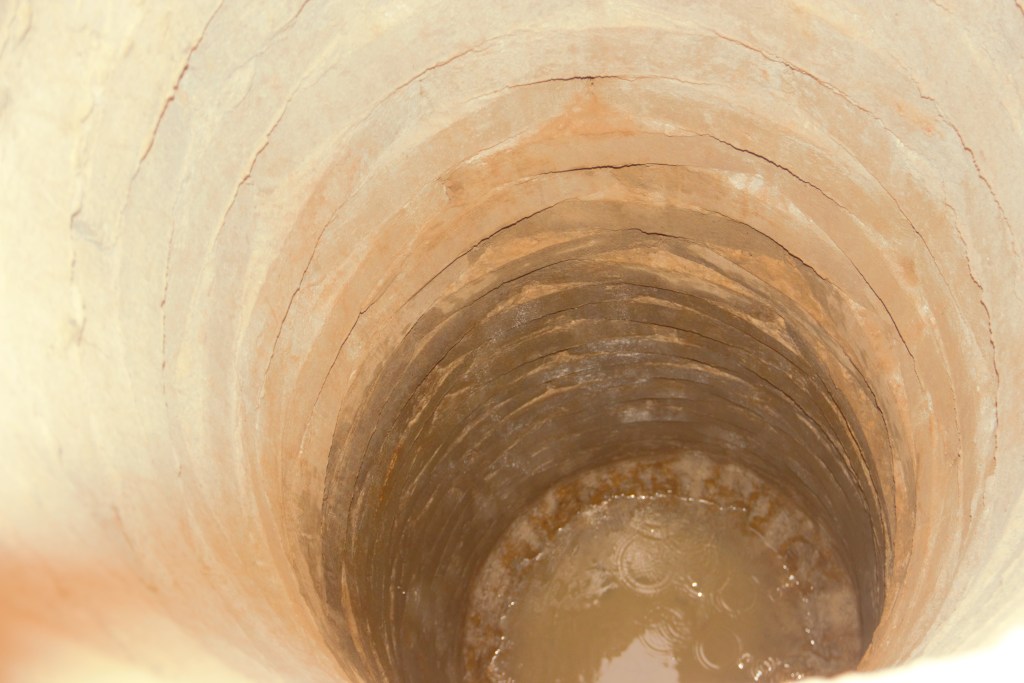

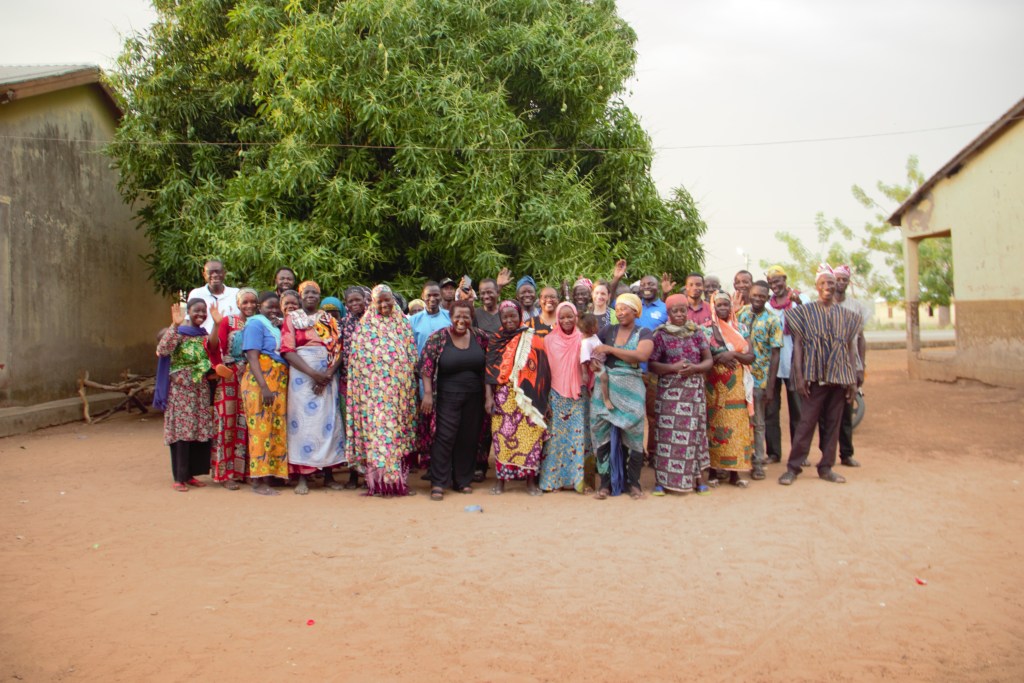
It was clear that the school belonged to the community, and they were determined to ensure its success.
As Tara Wondraczek, CEO of mc2h Foundation put it: “This is what real leadership looks like. It’s proof that when a community decides to invest in its children, incredible things happen.”
Ame David from Global Fund for Children echoed this, reminding the community: “Everything you have done, you have done for yourselves. AfriKids may have brought the spark, but you built the fire.”
Day 2: When a Community Decides to Act
A Parent-Teacher Association in Action
The next day, we drove one hour to a community in Builsa South district where we were met with an unforgettable sight; parents on the school compound, repairing a section of the roof that had been ripped off by a recent storm. With local welders and carpenters volunteering their skills, the PTA had rallied to ensure their children’s education wasn’t disrupted.
When asked why they were doing this, one parent’s response was simple but profound: “We don’t want our children to end up like us.”
Another parent said “It is now a fast-paced world and education is the only way to stay ahead and relevant and we want to ensure that our children have just that”
The PTA had also taken it upon themselves to hire a volunteer teacher, pooling their own resources to ensure that every child had access to quality education. This wasn’t a one-off effort; it was a community-wide commitment to change.
And then there was Owusu Daniel Amoako, known fondly as “Shatta”, a teacher from southern Ghana who had chosen to stay in the community for eight years, long after he was eligible for a transfer. His reason? “This community cares. They value education. And that makes all the difference.”
Education Beyond the Classroom
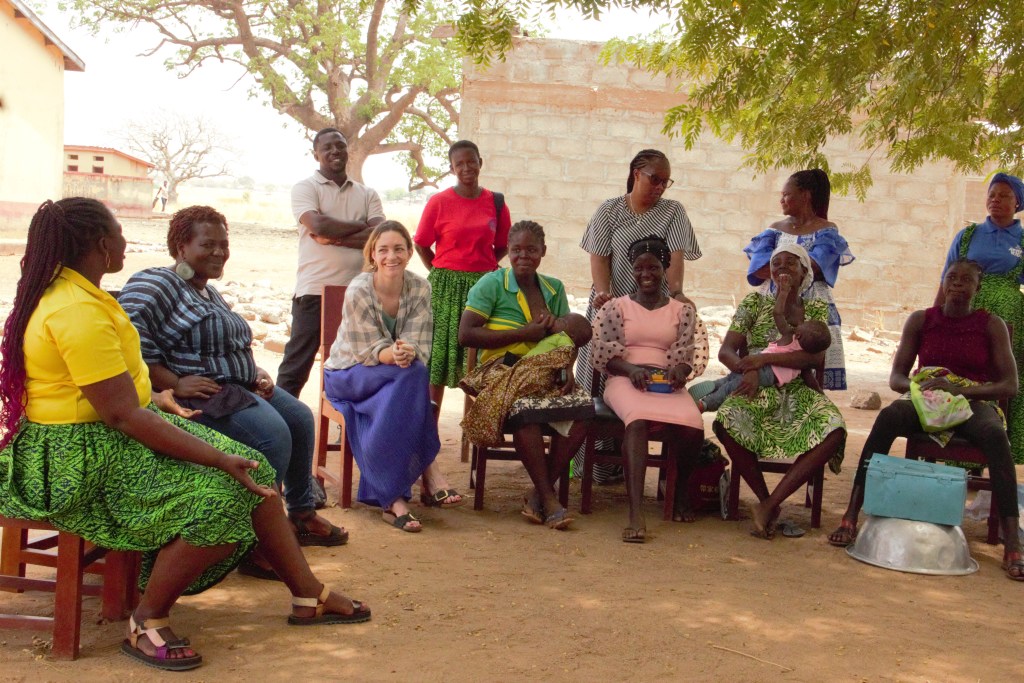
And in another community, we saw AfriKids’ work in full spectrum; supporting education not just in the classroom, but in homes and communities.
Women’s livelihoods programmes were empowering mothers with climate-smart agricultural skills and small business support, reducing the economic pressures that often force children out of school.
Village Savings and Loans Associations were helping families build financial resilience, ensuring they could afford to keep their children in school.
STEM clubs were innovating solutions to local challenges in their community through the help of science and technology. They demonstrated projects like a mechanical waste bin system, a safe water collection device, and a handwashing dispenser, all designed and built by the students. They explained the science behind the inventions, and you could see how excited they were by science, a field hitherto reserved for their male counterparts.
The Community Child Protection Champions (individuals within the community who pledge to ensure girls are not forced into marriages or any abusive relationship but stay and complete their schooling) also shared their efforts to combat child marriage and protect vulnerable children. Their work was not easy; they faced resistance, long distances, and limited resources, but they remained committed.


A Journey That Reinforced a Belief
As our trip came to an end, we were left with one undeniable truth: when communities are given the right support, they don’t just survive, they thrive.
Together with mc2h Foundation and Global Fund for Children (GFC), we believe that sustainable change doesn’t come from the outside, it comes from within.
Seeing the leadership, determination, and resilience of these communities reaffirmed our commitment to championing grassroots solutions. Because at the end of the day, development isn’t about grand interventions; it’s about empowering people to create their own success stories; and in northern Ghana, we saw plenty of those.
We left the visit more inspired than ever, reminded that sustainable change happens when communities lead the way and when funders believe in the power of local solutions.
You can read about Global Fund for Children’s experience of the trip here.
———————
Thank you to mc2h Foundation and Global Fund for Children for accompanying us on this trip. Your presence and partnership mean so much to our team and the communities we serve. Witnessing the impact of our work together, firsthand, has been a powerful reminder of what’s possible when we unite around a shared vision for children’s rights and wellbeing. We’re deeply grateful for your continued support, encouragement, and commitment to lasting change.
And a very special thank you to People’s Postcode Lottery who helps AfriKids create brighter futures for thousands of children and families across northern Ghana. We are incredibly grateful for your continued support in making lasting, community-led change possible. Thank you.
Leave a Reply