

By 2050, Africa will be home to 40% of the world’s children, the largest youth population on the planet.1 But today, nearly 9 in 10 children in Sub-Saharan Africa aren’t learning, unable to read a simple text by the age of 10.2 This staggering learning crisis threatens the future of millions of young people, and the continent’s place in a fast-changing world.
In Ghana’s Upper East and North East Regions where poverty, inequality and long-standing educational gaps are deeply entrenched, AfriKids is working hand in hand with communities to ensure children not only attend school, but thrive in it.
In this two-part series, David Pwalua, Country Director of AfriKids Ghana, shares his insights on tackling the learning crisis and how community-led solutions are keeping the door to education open for every child.
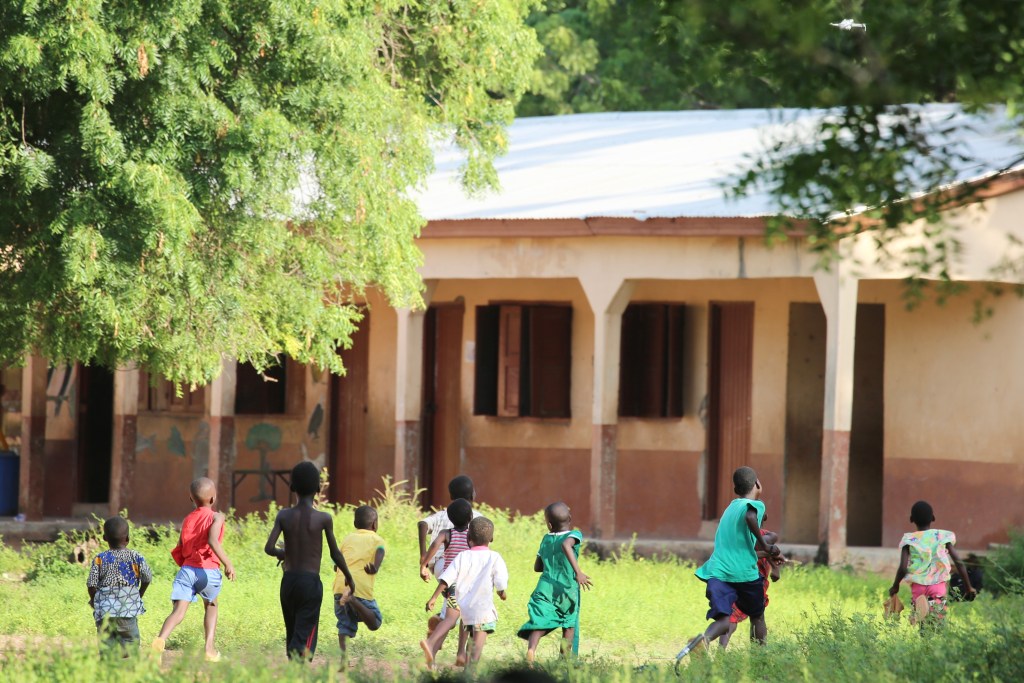
But first, we asked David what it was like for him growing up in Ghana as a child…
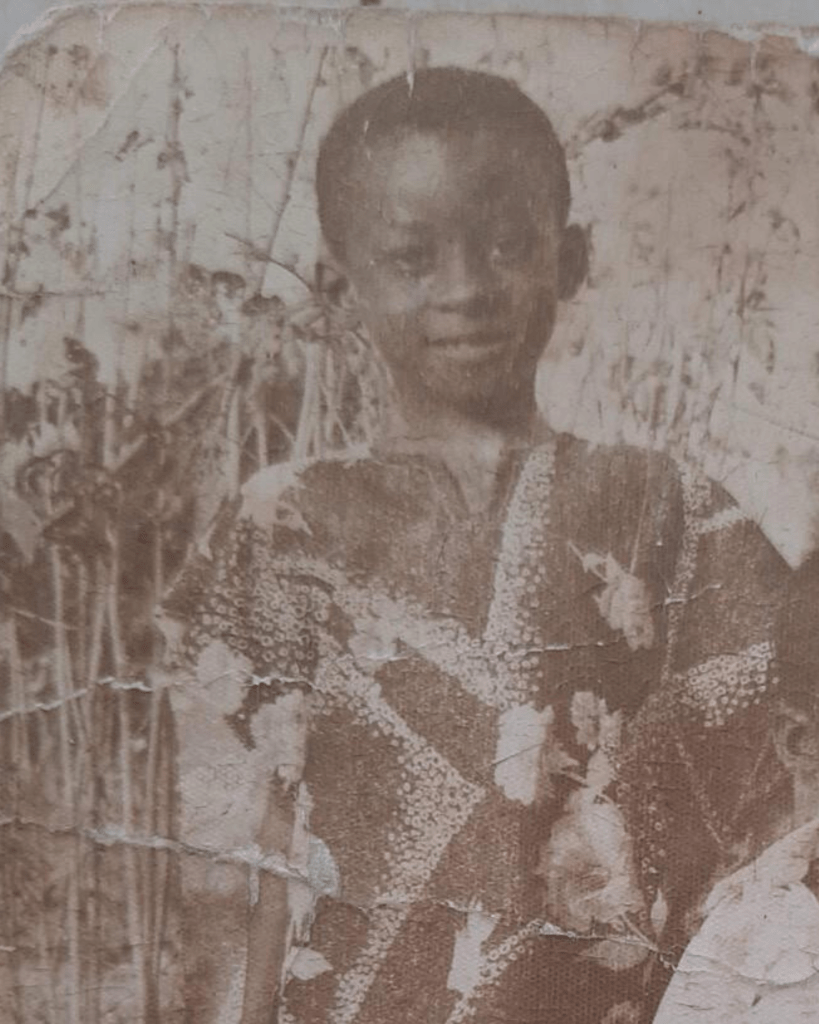
I grew up in the 1980’s in a small village in the Upper East Region. Childhood was fun and, at the same time, provided a unique training ground that prepared me to face the realities of life. This period was marked by a severe economic downturn in Ghana and saw widespread shortages of essential commodities including food, limited access to healthcare, education and learning materials. There were poor road networks and a lack of electricity and running water. It was a difficult time in Ghana’s history, further compounded by multiple military takeovers.
Some of the most terrifying moments were during curfew hours. At exactly 6 pm, the sound of the alarm bell would ring through the neighbourhoods, signaling the start of curfew.
Immediately, everything would fall silent, homes would switch off lanterns and any source of light, and parents would ensure all children went straight to bed. I vividly remember lying quietly in bed, pretending to be asleep, while outside we could hear the cries of those being brutalized by security forces for violating curfew rules.
Despite the hardship, childhood was still full of joy, largely because of the strong sense of community. We lived in a society where every adult saw themselves as responsible for every child. We had many genuine father figures, uncles, and aunties who offered guidance, protection, and sometimes even organised informal learning sessions.
Among my peers, cultural drumming and dancing were my favourite pastimes outside of school. I cherished the companionship of my friends, and to this day, many of those relationships remain strong.
What does it mean for Ghana to be part of the fastest-growing, youngest population in the world?
It presents both an opportunity and a challenge for Ghana. It’s an opportunity because, if we are able to empower our young people through relevant skills training and access to quality education, it could mark a turning point in the country’s development. However, if we ignore the data and global development trends and fail to make the necessary investments to equip our youth and children with the skills they need, then our challenges will only deepen.
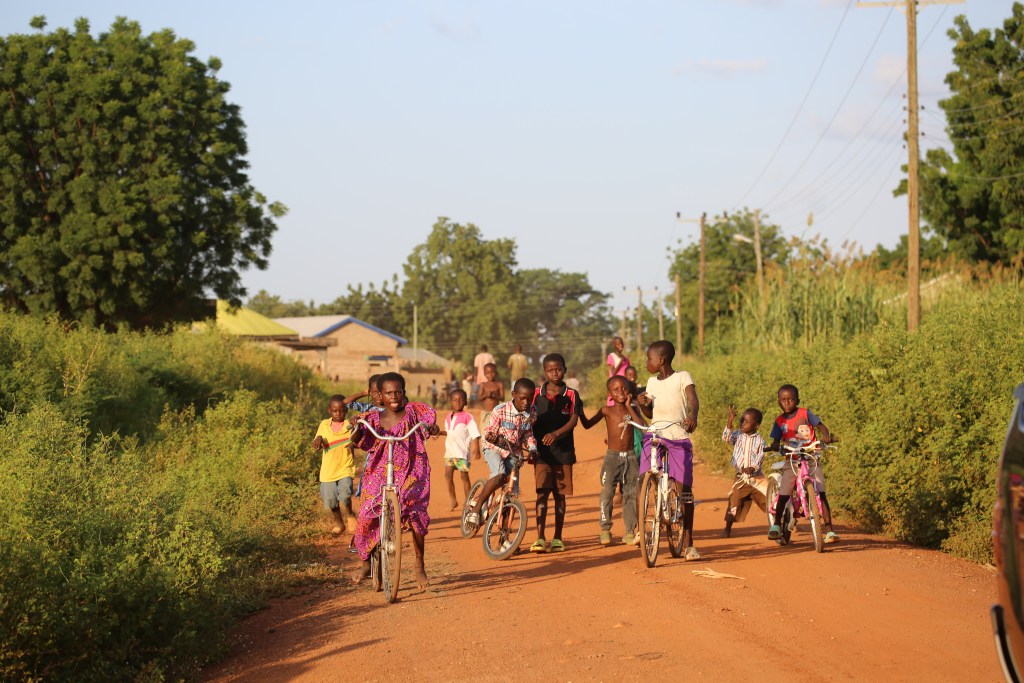
We know that many children in northern Ghana aren’t achieving basic learning milestones. What are the key barriers to learning that you see?
There are a number of barriers holding children back from learning. For many parents, confidence in the school system is low—they’re not convinced education will lead to a better future for their children.
Harmful practices like child marriage and child labour often pull children, especially girls, out of school far too early. Even for those in the classroom, poor teaching methods and weak support systems for teachers mean many children aren’t getting the quality education they deserve. There’s also a lack of accountability across the education system, and decisions aren’t always guided by data. Finally, but very relevantly, the curriculum doesn’t always connect with children’s everyday lives—like farming and practical skills—so families sometimes struggle to see its relevance.
All of these challenges combine to create a cycle that we’re working hard to break.
How does this affect girls in particular?
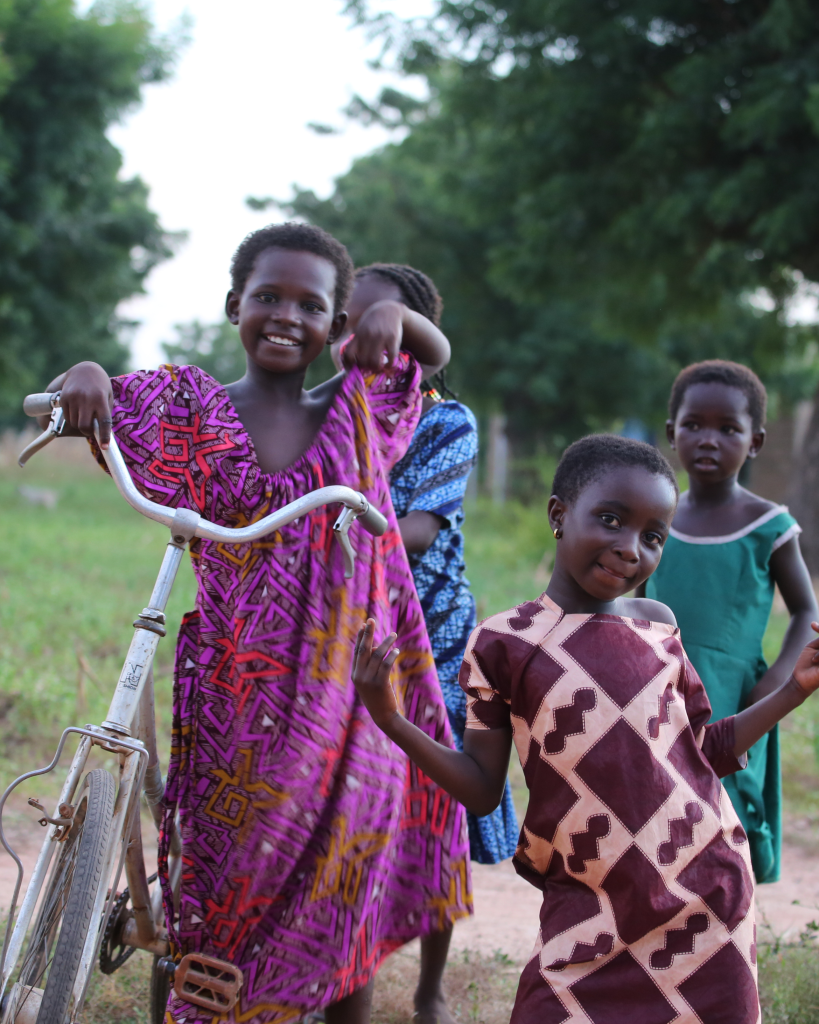
Girls are among the most affected by the current learning crisis. They already face daily struggles against socio-cultural norms that discourage them from pursuing education. These challenges are further compounded by a growing loss of confidence among parents in the education system largely due to the rising number of graduates who are unable to find jobs.
Many girls also face hostile school environments, including mistreatment by teachers and male peers, as well as a lack of infrastructure that supports their unique needs. All of this sends a strong message that school is not a welcoming or safe space for girls. It’s therefore no surprise that, in Ghana, they consistently make up the majority of out-of-school children.
What does the learning crisis look like through the eyes of a parent or teacher in the communities you work with?
There are mixed feelings among parents and teachers, and perspectives often depend on which side of the table you sit. Many teachers express frustration, insisting that they’re doing their best to improve learning outcomes despite having limited resources. They argue that pupils are simply not interested in learning.
One major concern raised by teachers is the widespread use of mobile phones which they believe distracts children from their studies. Some teachers also blame parents for not fulfilling their responsibilities in supporting their children’s education.
Some teachers also believe that many children are more interested in making quick money and as a result, they engage in activities such as street hawking, internet fraud, riding tricycles for income, or even illegal mining, all at the expense of their education.
Many parents, however, appear largely content with the academic progress of their children. Only a few express genuine concerns about learning outcomes. This complacency is partly due to the growing trend of exam malpractice, which has become increasingly normalized in recent years. Some parents actively participate in this malpractice by buying leaked exam papers to help their children pass. As a result, many no longer view hard work as the key to academic success.
The current placement system for candidates who sit the Basic Education Certificate Examination (BECE) has also become quite flexible. Regardless of the grades obtained, most students are still able to secure a place in senior high schools. This has diminished the sense of competition and reduced the motivation to strive for higher grades at the junior high school level, which is a critical stage in the education system. The normalization of this trend is contributing to declining learning outcomes.
There’s also been a gradual erosion of the credibility of school assessments. The absence of a clear framework to make sure all schools conduct standardised exams, grade them properly, and provide timely feedback to both parents and students has left many parents unaware of their children’s actual performance. This lack of transparency and accountability is a major reason why many parents remain unconcerned, despite the poor learning outcomes.
Thank you for reading about the challenges to improve learning outcomes in northern Ghana. Why not check out the second instalment of this interview series: How Community-Led Initiatives Are Keeping the Door to Education Open.
Sources used:
Leave a Reply