

This month, AfriKids teams have been reaching remote communities in northern Ghana with our Back to School Campaign, breaking down the barriers that keep children out of classrooms.
In Mamprugu-Moagduri District, our District Manager Matthew met 45-year-old Ruhiana*, a mother of five from the Fulani community. The Fulani are a semi-nomadic people, many tracing their roots to neighbouring countries like Burkina Faso, Mali, and Niger. Despite living in Ghana for decades, Fulani families often remain on the margins of society, in scattered hamlets outside villages. They face deep social exclusion, are stigmatised as outsiders, and have limited access to opportunities— especially education.
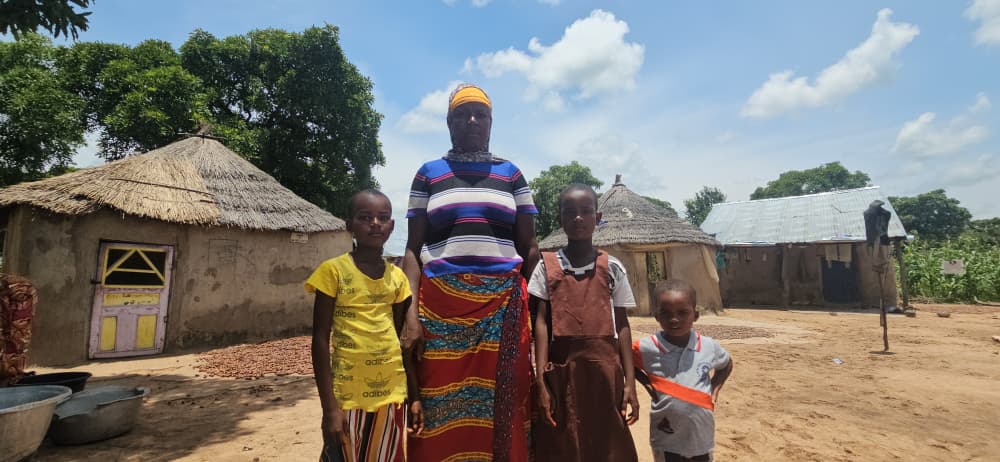
For Ruhiana (pictured with her children), daily life means milking cows, fetching firewood, and selling milk at the market while her husband tends to their herd. Their home — a cluster of round mud huts with thatched roofs — is typical of Fulbe settlements. Water is fetched from a stream, cooking is done on open fires, and income comes almost entirely from rearing cattle.
Schooling has always felt out of reach for families like Ruhiana’s. They face multiple barriers:
- Economic pressures – Children are traditionally shepherds, contributing to family livelihoods instead of attending school
- Cultural traditions – their semi-nomadic history makes schooling seem unnecessary
- Few role models – with so few Fulani children in school, education feels “not for them”
These barriers have led to very low enrolment and retention rates for Fulbe children in schools across Ghana.
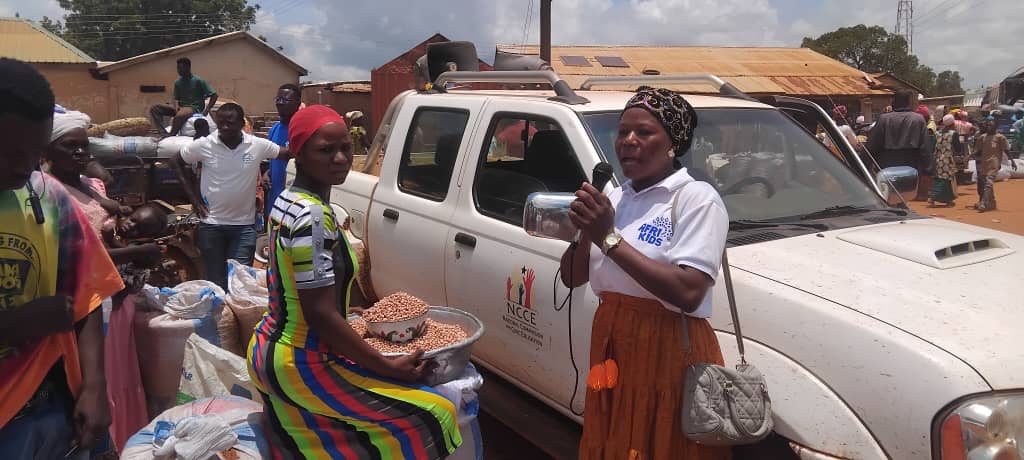
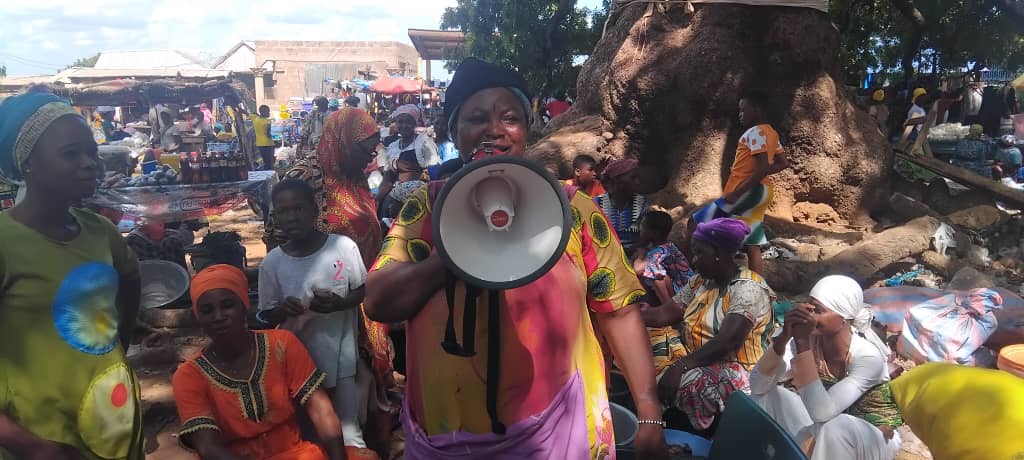
Through our Back to School Campaign, AfriKids reached families like Ruhiana’s where they are — in markets, mosques, churches, and even on their farms. With loudspeakers, radios, and local advocates, our teams gave parents vital information about school reopening dates and the importance of keeping children in the classroom.
We also made it clear that Fulbe children would be supported to overcome the barriers they face in accessing school, breaking down misconceptions and reassuring parents that education is a right for every child.

When Ruhiana heard our campaign at her local market, she was inspired. She went home, spoke to her husband, and together they made a bold decision: to enrol their 10-year-old twin girls Warahana and Rakia* (pictured above) in school for the very first time.
“I told him education is for all children, including ours,” she said.
Today, Ruhiana dreams of a brighter future for her daughters — one where education opens doors not only for them, but for the wider Fulani community too.
You can help more families like Ruhiana’s take this life-changing step. Will you give today to help children start school this term?
Ruhiana’s story shows how awareness campaigns like these are lifelines for marginalised families, giving them hope, confidence, and practical ways to break free from poverty and exclusion.
*names have been changed for safety reasons*
Leave a Reply