




Education
The report found that Education activities under the AfriKids OMS Programme have proven highly relevant to the needs of the communities, addressing challenges identified in AfriKids’ 2023 needs assessment, especially around access to learning resources and quality education.
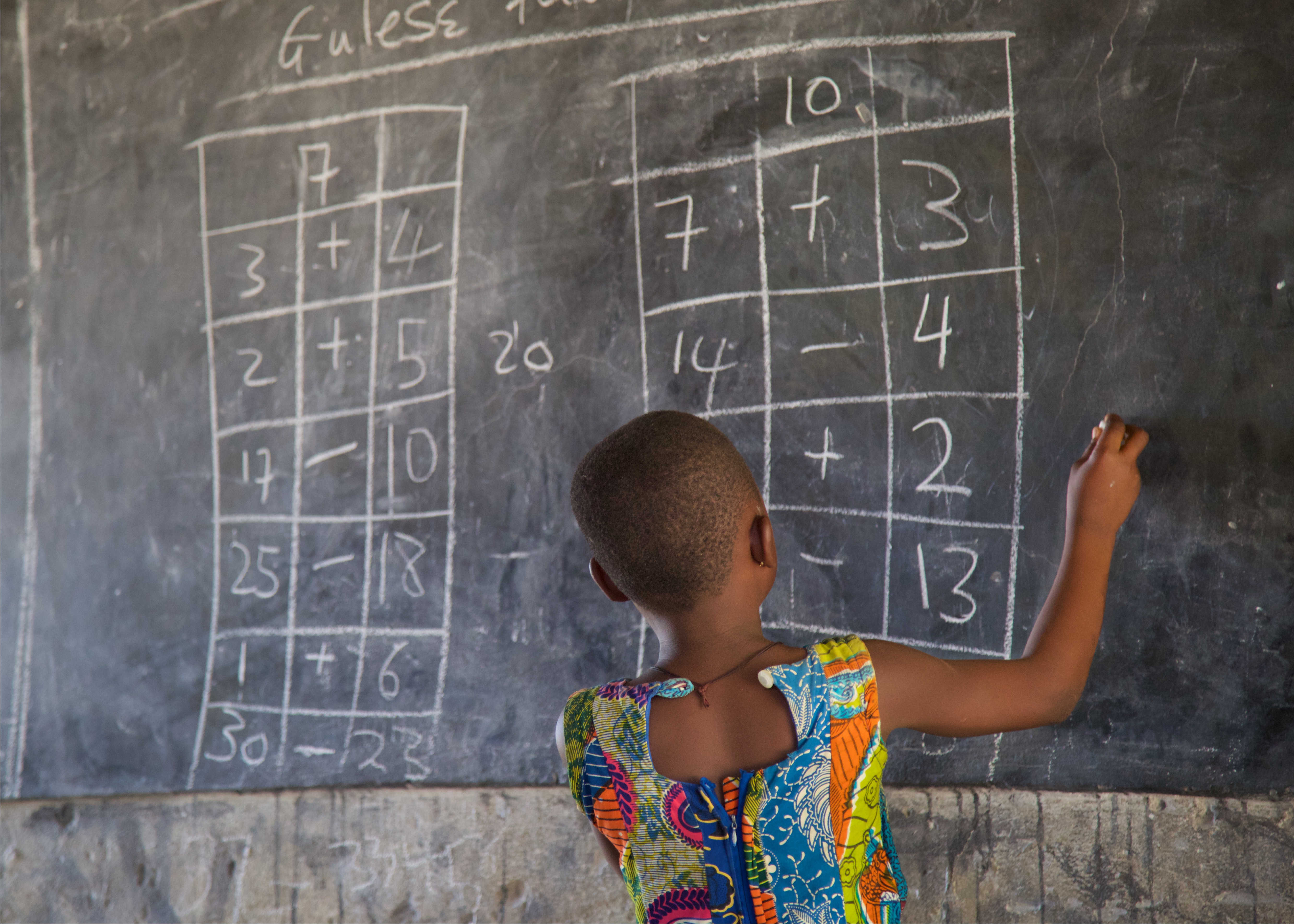
Parents shared that their children now attend school more regularly and with fewer struggles. The programme has also boosted children’s reading skills, interest in school, and overall household capacity to support education. From the district education offices’ perspective, these interventions align well with government priorities and plans, complementing efforts like the rollout of the new curriculum and strengthening of school management structures. Added initiatives, including reusable sanitary pads, SRH education, digital learning tools, and new libraries, have all contributed to better learning outcomes.
On effectiveness, the interventions have largely met their goals, leading to noticeable improvements in teaching quality, student attendance, enrolment, and particularly girls’ performance in science. Parents are now more engaged in school activities, while teachers have gained skills to use child-friendly teaching approaches. School management bodies have become more active in guiding school development. Physical improvements, such as new classroom floors and better hygiene through school-made liquid soap, show the practical impact of the programme.
Overall, the OMS education component has delivered its planned outcomes well and adapted effectively to local challenges, earning high marks from district officials for improving enrolment, attendance, and learning—especially in science and math at the JHS level.