
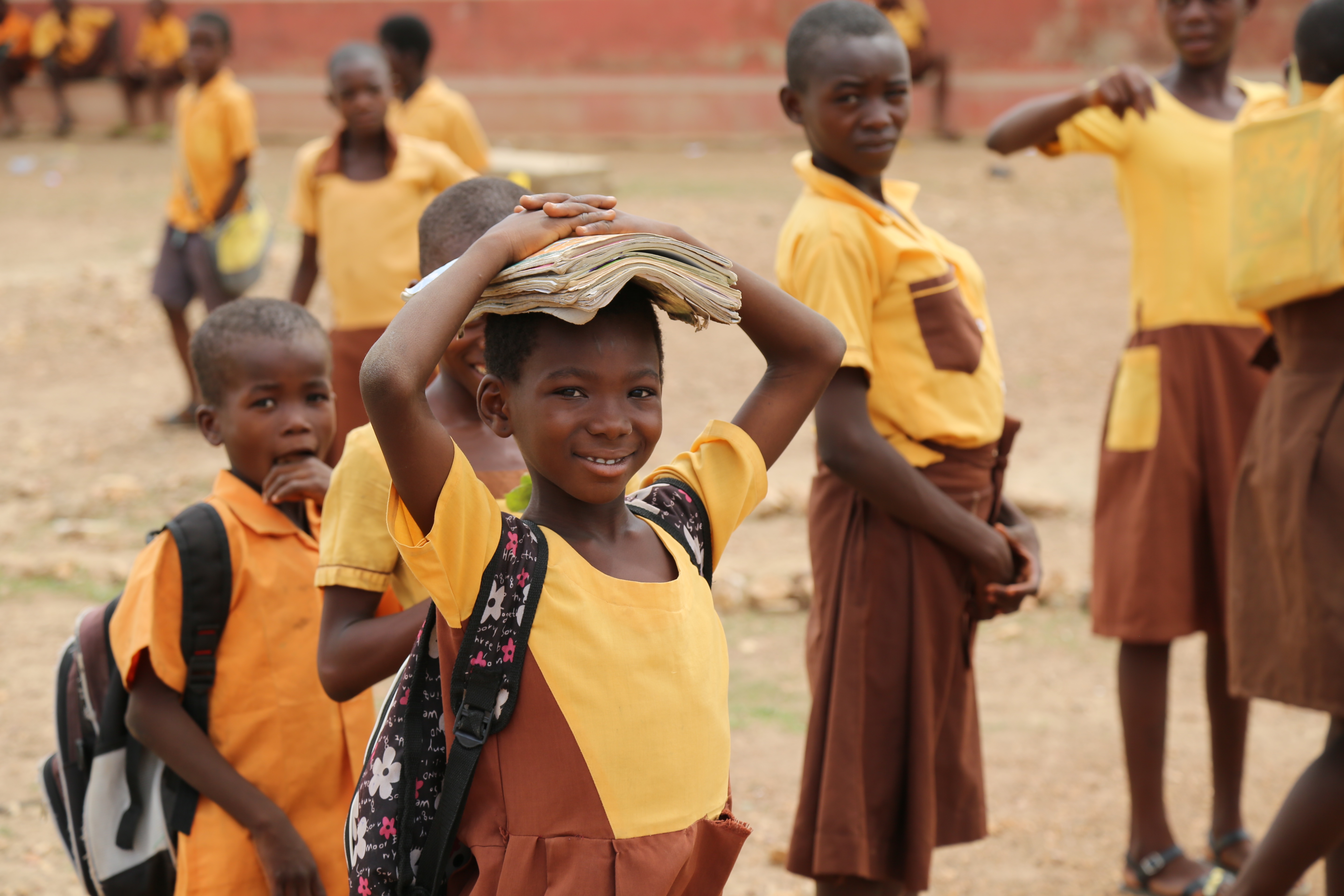





















The report found that Education activities under the AfriKids OMS Programme have proven highly relevant to the needs of the communities, addressing challenges identified in AfriKids’ 2023 needs assessment, especially around access to learning resources and quality education.
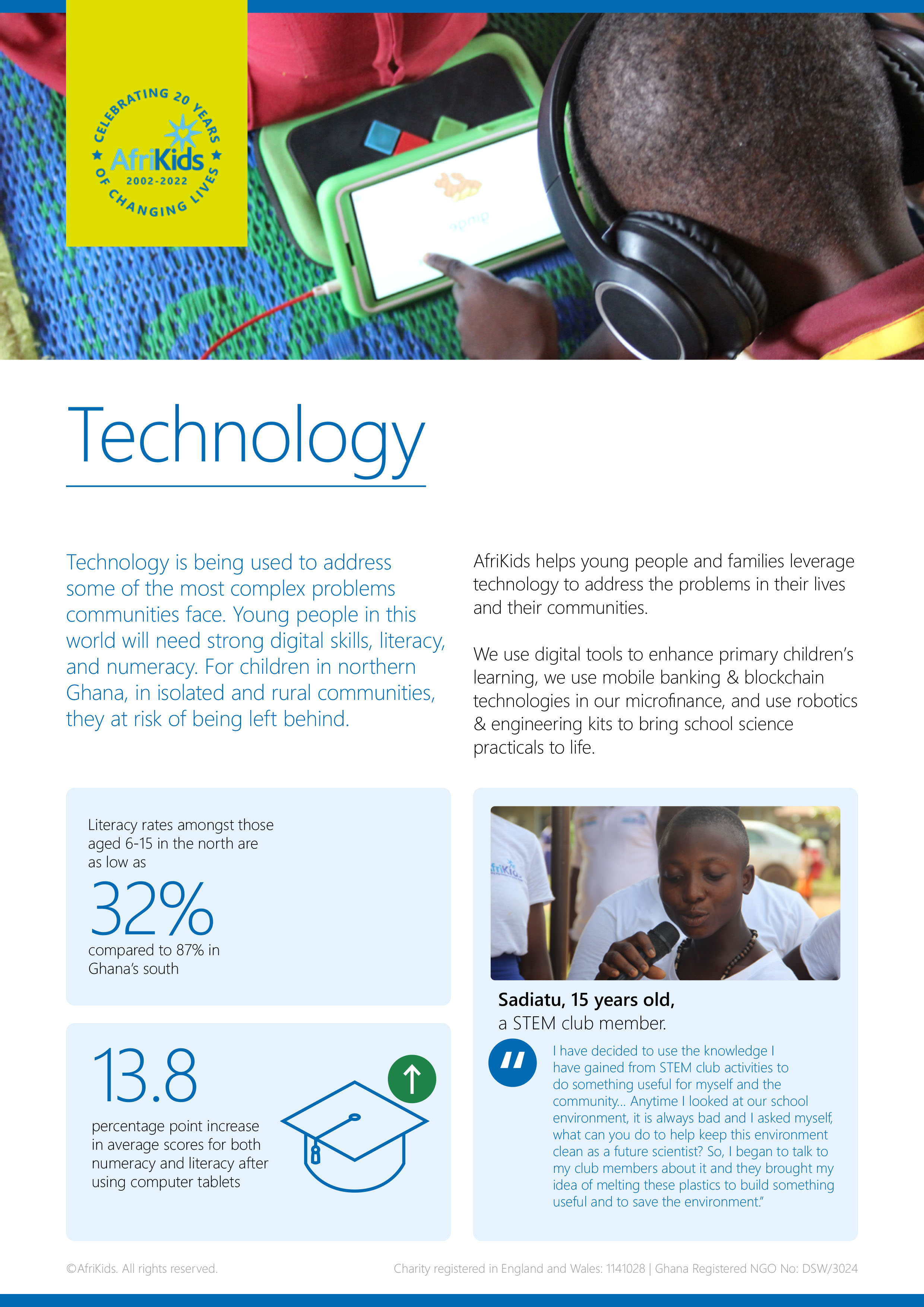
Parents shared that their children now attend school more regularly and with fewer struggles. The programme has also boosted children’s reading skills, interest in school, and overall household capacity to support education. From the district education offices’ perspective, these interventions align well with government priorities and plans, complementing efforts like the rollout of the new curriculum and strengthening of school management structures. Added initiatives, including reusable sanitary pads, SRH education, digital learning tools, and new libraries, have all contributed to better learning outcomes.
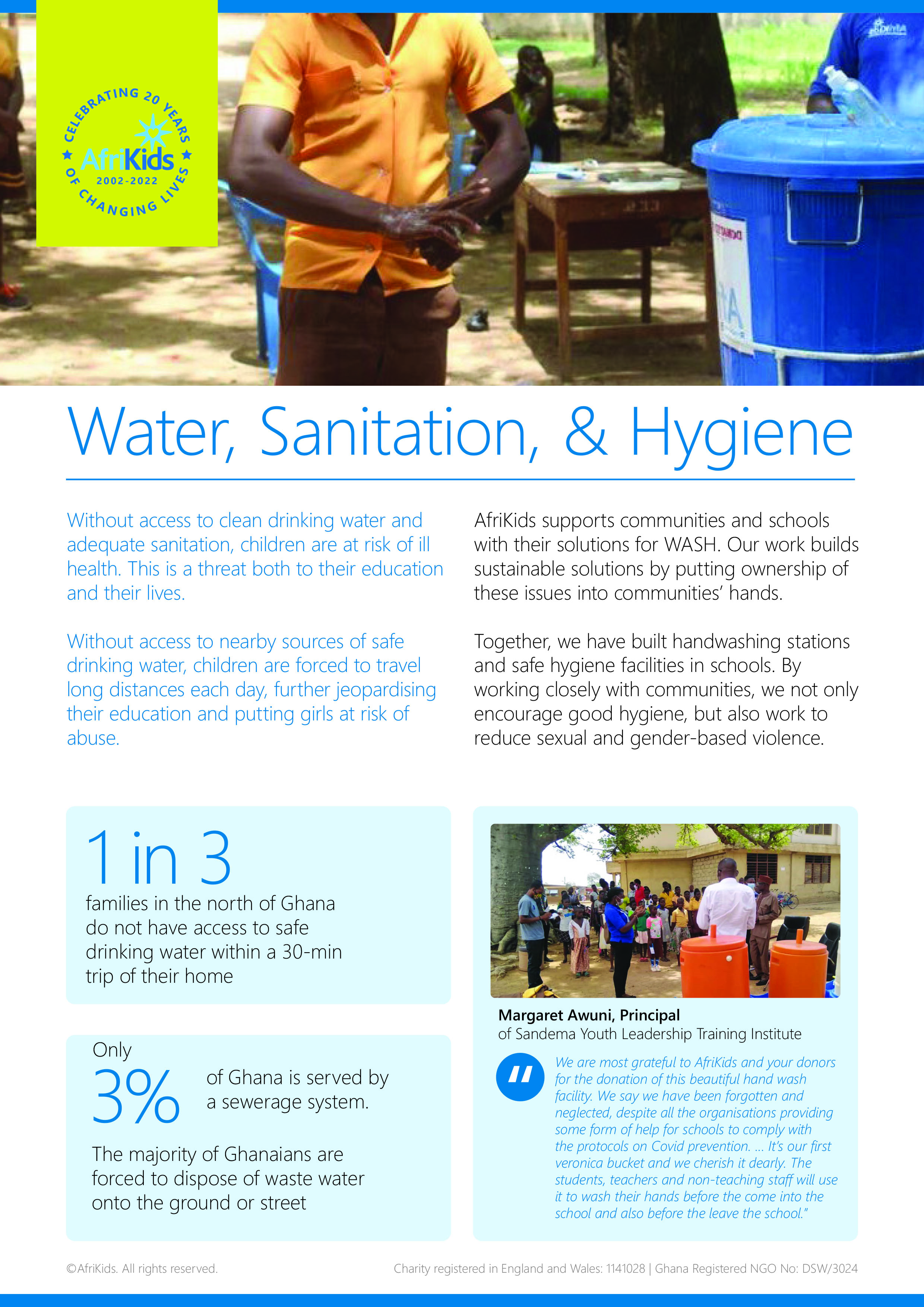
On effectiveness, the interventions have largely met their goals, leading to noticeable improvements in teaching quality, student attendance, enrolment, and particularly girls’ performance in science. Parents are now more engaged in school activities, while teachers have gained skills to use child-friendly teaching approaches. School management bodies have become more active in guiding school development. Physical improvements, such as new classroom floors and better hygiene through school-made liquid soap, show the practical impact of the programme.
Overall, the OMS education component has delivered its planned outcomes well and adapted effectively to local challenges, earning high marks from district officials for improving enrolment, attendance, and learning—especially in science and math at the JHS level.
The report found that the Child Protection component of the OMS programme under AfriKids is highly relevant to the context-specific needs of the target communities, directly addressing issues such as child labour, early marriage, teenage pregnancies, and low awareness of child rights.
By establishing and training Community Child Protection Committees (CCPCs), conducting school and community sensitisation, supporting child-friendly infrastructure, and integrating child rights education into curricula, the intervention has created safer, more inclusive environments for children. Community testimonies highlight growing knowledge among children about their rights, reductions in harmful practices, and improved personal hygiene. The intervention has also actively involved traditional leaders, parents, and teachers, fostering local ownership and gradually shifting community attitudes toward child welfare and protection.
In terms of effectiveness and efficiency, the programme achieved key outputs such as operational CCPCs that regularly monitor schools, follow up on absenteeism, and enforce local by-laws, leading to reductions in truancy, child labour, and corporal punishment. It has also leveraged local structures—CCPCs, PTAs, and traditional authorities—for lowcost volunteer selection, training, and monitoring, making the intervention resource-efficient and sustainable.
Overall, the intervention demonstrates strong relevance, tangible effectiveness in reducing child protection violations, and cost-efficient delivery through community-driven approaches.
The Family Livelihood Support Programme (FLISP) under AfriKids’ OMS initiative has proven highly relevant to the communities’ needs, on issues like limited capital for small businesses, youth unemployment, and economic vulnerability.
The programme directly responds to these challenges by offering livelihood training, seed capital, and financial literacy support. This has been especially important for female-headed and vulnerable households, helping them start or grow small businesses and keep their children in school. FLISP also complements AfriKids’ goals in education and child protection by improving household income, enabling families to better afford school costs and healthcare. Its community-driven approach, which respects local market and cultural contexts, has further strengthened its relevance, with around 85% of beneficiaries rating its impact on their welfare as high.
On effectiveness, FLISP has largely delivered on its aims by boosting family resilience, household income, and overall child well-being. The programme’s activities have been carried out effectively and adapted well to local economic realities, leading to meaningful improvements in family stability and reducing children’s vulnerability. Beneficiaries shared how increased business capital has helped them support daily family needs and grow profits. While most respondents rated the programme’s impact on their welfare as high, survey data also revealed that perceptions of overall life improvement varied, with some expressing only modest gains. Even so, the intervention has shown strong capacity to achieve its intended outcomes, demonstrating clear contributions to strengthening family livelihoods and advancing AfriKids’ broader mission.